Loading video…
All breakouts
 Ryan Keip Coachingseen in 3 videos →
4.3Talking HeadListicle hook
Hook
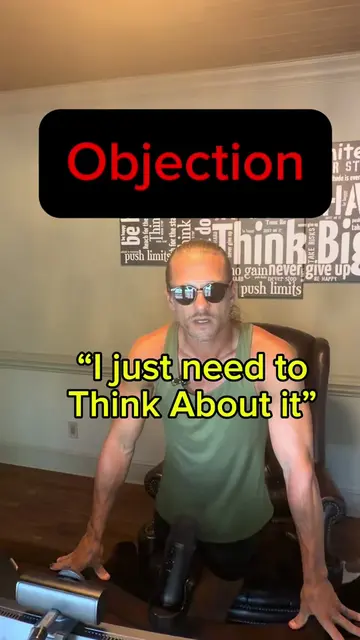
6 Ways Elite Salespeople Handle Price Objections
@theryankeip
2.4K followers · usually 834 views a post
Views
3.3K
Likes
155
Comments
2
Shares
55
Selling · Course / Info
Why it worked
The video offers practical, actionable advice on a common pain point for salespeople (handling price objections). By framing the advice around psychological principles and providing clear, numbered strategies, it delivers high perceived value and encourages engagement.
Summary
The video provides six psychological strategies for salespeople to handle price objections effectively. Instead of defending their price, salespeople should focus on uncovering the client's true objections, highlighting the cost of inaction, and reducing perceived risk to build value and close more deals.
Structure
- 1Introduction to handling price objections
- 2The real objection is rarely price
- 3Strategy 1: Cost of inaction vs. action
- 4Strategy 2: Make them defend their logic
- 5Strategy 3: Separate price from value
- 6Strategy 4: Remove the need to be right
- 7
Original caption
If the only way you know how to overcome a price objection is by discounting… you’re not selling. You’re negotiating against yourself. Elite salespeople don’t fight price. They uncover value, expose the real objection, and create certainty. Master these 6 techniques and you’ll stop hearing “it’s too expensive” and start hearing “where do I sign?” Follow @TheRyanKeip for daily sales psychology, objection handling, and communication strategies that help you close more deals. #Sales #SalesTraining #HighTicketSales #SalesPsychology #ClosingDeals
More from @theryankeip
Their other posts in the index, biggest breakout first.