Loading video…
Sound

original sound - wealthbywei
Chen Wei · Original audio
0:00–:––
Playing this video’s own audio, so you’ll hear the creator over the sound.
This video promotes it, but we haven’t matched it to a product page yet, so there are no product figures.
The video uses a relatable and easily understandable analogy (the shoe paradox) to explain a complex economic concept, making it highly shareable and engaging. The creator's direct address and clear explanation of the "invisible tax" of poverty resonate with viewers, leading them to seek more information, as evidenced by the call to action for their book.
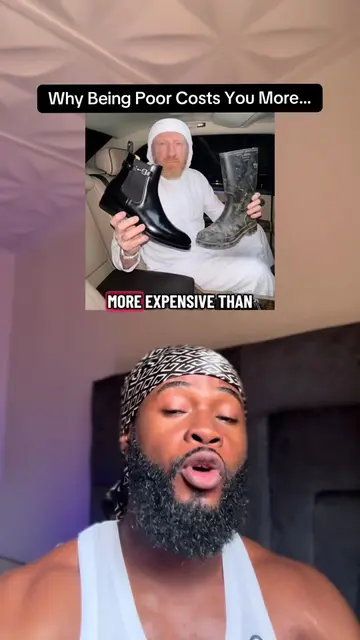
The video explains the "shoe paradox" to illustrate how poverty is more expensive than wealth due to the long-term costs of making cheaper, less durable choices. It argues that this principle applies to all aspects of life and that the wealthy understand this long-term perspective. The creator then promotes their book, "Game Theory," as a resource for understanding strategy and decision-making, directing viewers to a link in their bio.
The shoe paradox reveals a hard truth: the cheapest choice today can become the most expensive choice tomorrow. Wealthy people don't only look at the price tag. They think about value, time, and what the decision costs them later. If you want to understand the strategy behind smarter decisions, explore Chen Wei's newly released Game Theory. The game changes when you learn to see the moves behind the move. Link in bio
Being poor is more expensive than being rich.
Introduction to the shoe paradox: poverty is expensive.
Illustrating the paradox with shoe purchases.
Explaining the hidden costs of poverty (health, time, etc.).
Extending the principle to other life choices (food, housing, appliances).
The system charges more for being poor.
Introducing the book 'Game Theory' as a solution for understanding strategy and decision-making.
kindly tap the link on my bio. Thank you.
Playing this video’s own audio, so you’ll hear the creator over the sound.
Promotes 2 products. Create free account to see more.
Outliers and viral hits: their videos on Overshot, all time.