Loading video…
All videos Locked — part of Pro; create a free account to start.Open on TikTokPro
No preview available yet
Views
27.3K
Likes
500
Comments
20
Shares
23
Engagement
2.0%
of views
20.5xthis account’s usual viewsOutlier
This video27.3KUsual views1.3K
The product
Not selling anything
No product promoted
We didn’t find a product being promoted in this video. Its hook, format and structure below still show why it took off.
Browse products winning on TikTokThe creator
We’re still analyzing this post.
Original caption
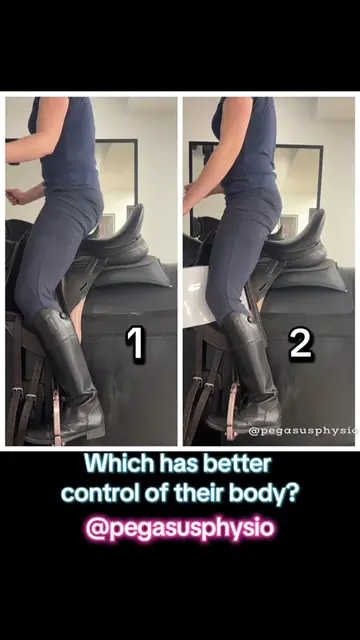
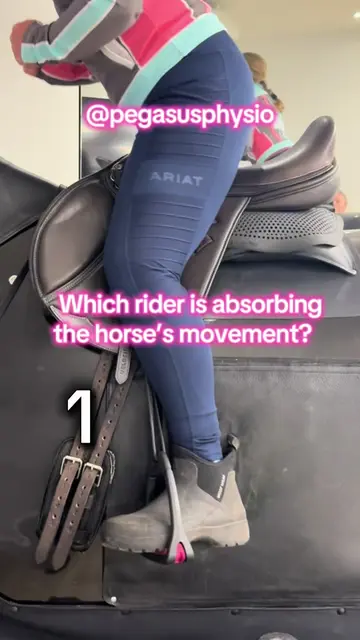
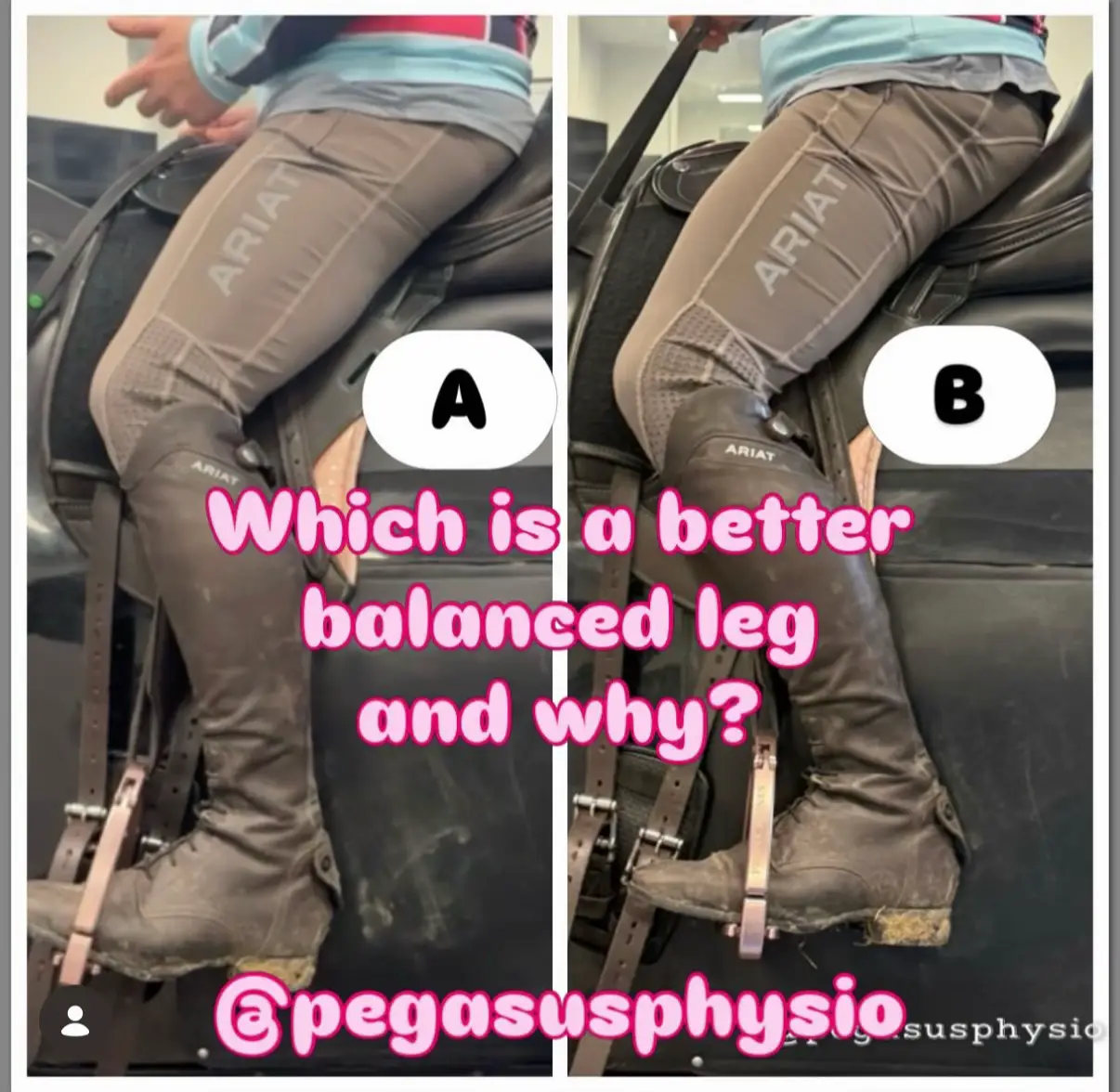
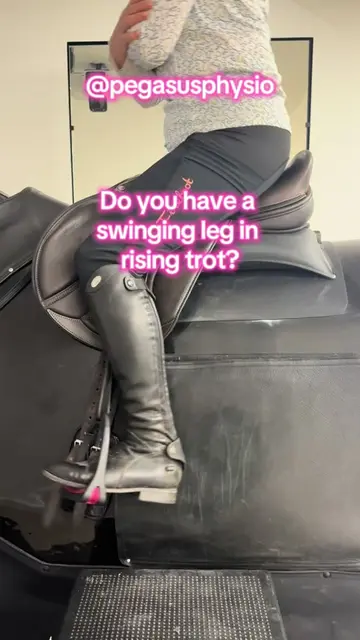
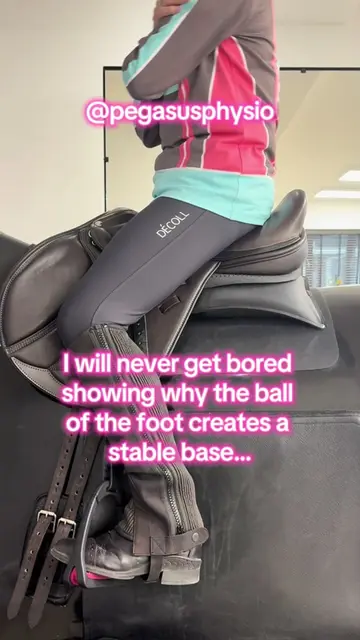
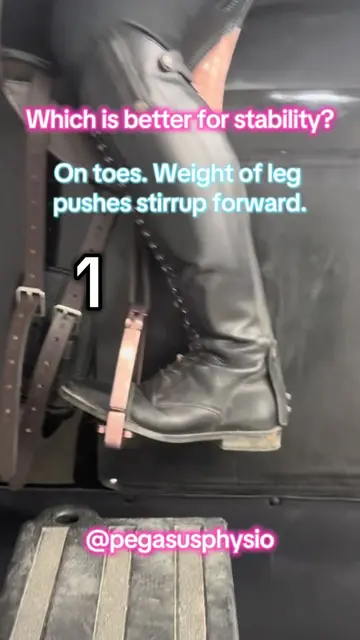
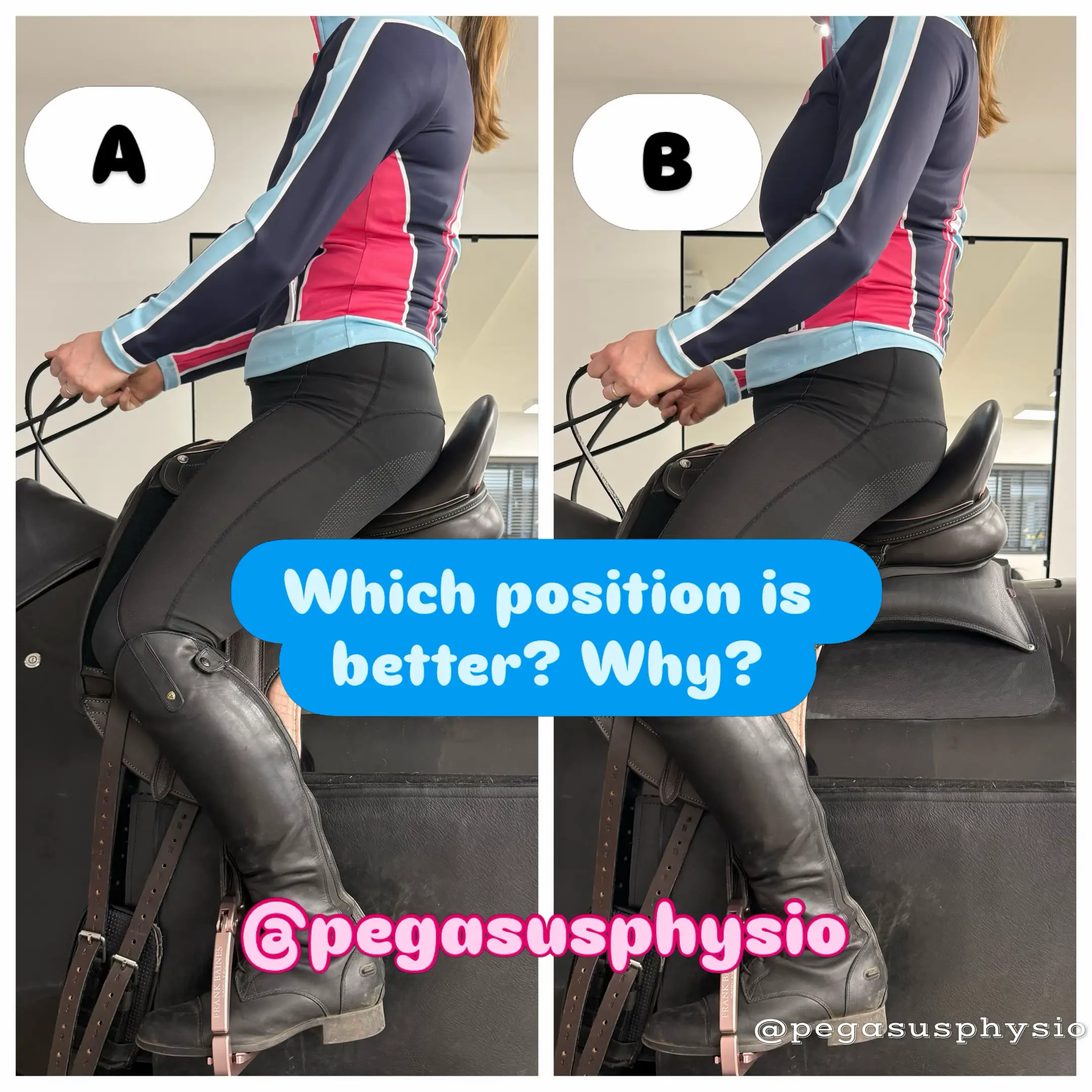
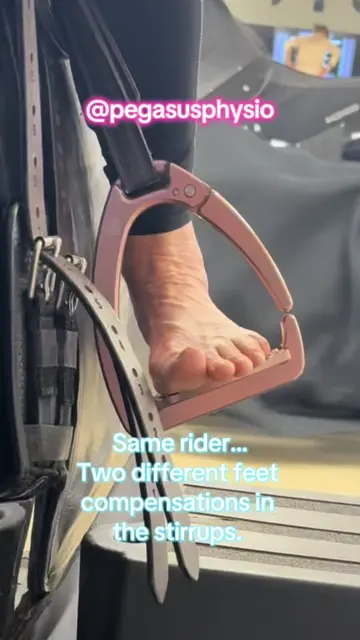
👉“Heels down” is probably one of the most repeated instructions in riding - but how the heel lowers matters. This rider has a tendency for her heels to drop. It’s likely a combination of naturally flexible ankles and years of being repeatedly told to push her heels down throughout her riding career. When we looked at calf raises in the stirrups, something interesting happened. As she lowered from the calf raise, she naturally allowed her heels to drop below neutral. But this wasn’t really a controlled movement - it was more like letting go and allowing the ankle to move into the range she already had available. To lower the heel with control, the calf muscles need eccentric control - they lengthen while still producing force and controlling the movement. But before working on that, we went back a step. First, she needed to be able to actively shorten the calf muscles to lift the heel - a concentric contraction - and then slowly control the movement back down to neutral, with the foot level, while keeping the stirrup still and maintaining pressure through the ball of the foot. No dropping past neutral. No stirrup swinging around. Just controlled movement. Once she can reliably control that range, we can then progress towards allowing the heel to lower below neutral while maintaining that same eccentric control. For this rider, practising something as simple as a controlled calf raise back to neutral made a noticeable difference to the stability of her lower leg. Range of movement and control of movement are not the same thing. Having enough ankle mobility for the heel to lower is useful. Having the muscular control to decide when, how far and how quickly it lowers is what makes that movement useful in the saddle.