Loading video…
All videos Locked — part of Pro; create a free account to start.Open on TikTokPro
No preview available yet
Views
34.2K
Likes
624
Comments
682
Shares
7
Engagement
3.8%
of views
25.8xthis account’s usual viewsOutlier
This video34.2KUsual views1.3K
The product
Not selling anything
No product promoted
We didn’t find a product being promoted in this video. Its hook, format and structure below still show why it took off.
Browse products winning on TikTokThe creator
We’re still analyzing this post.
Original caption
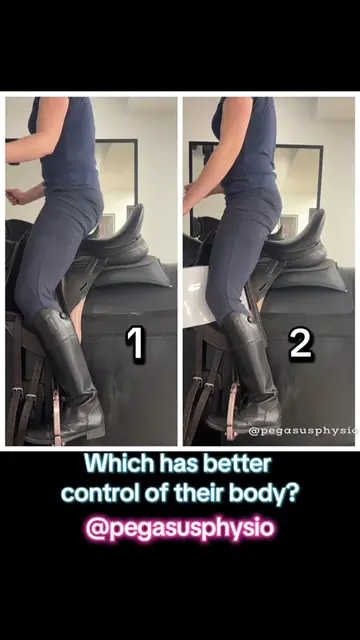
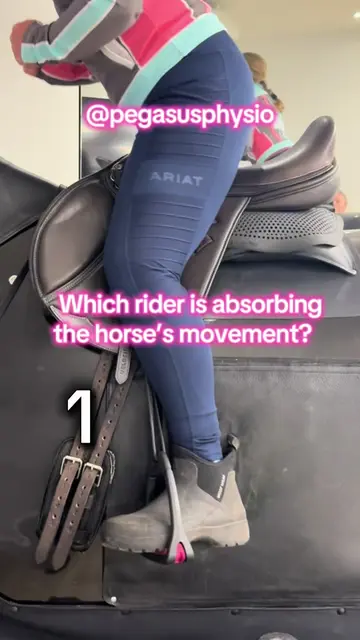
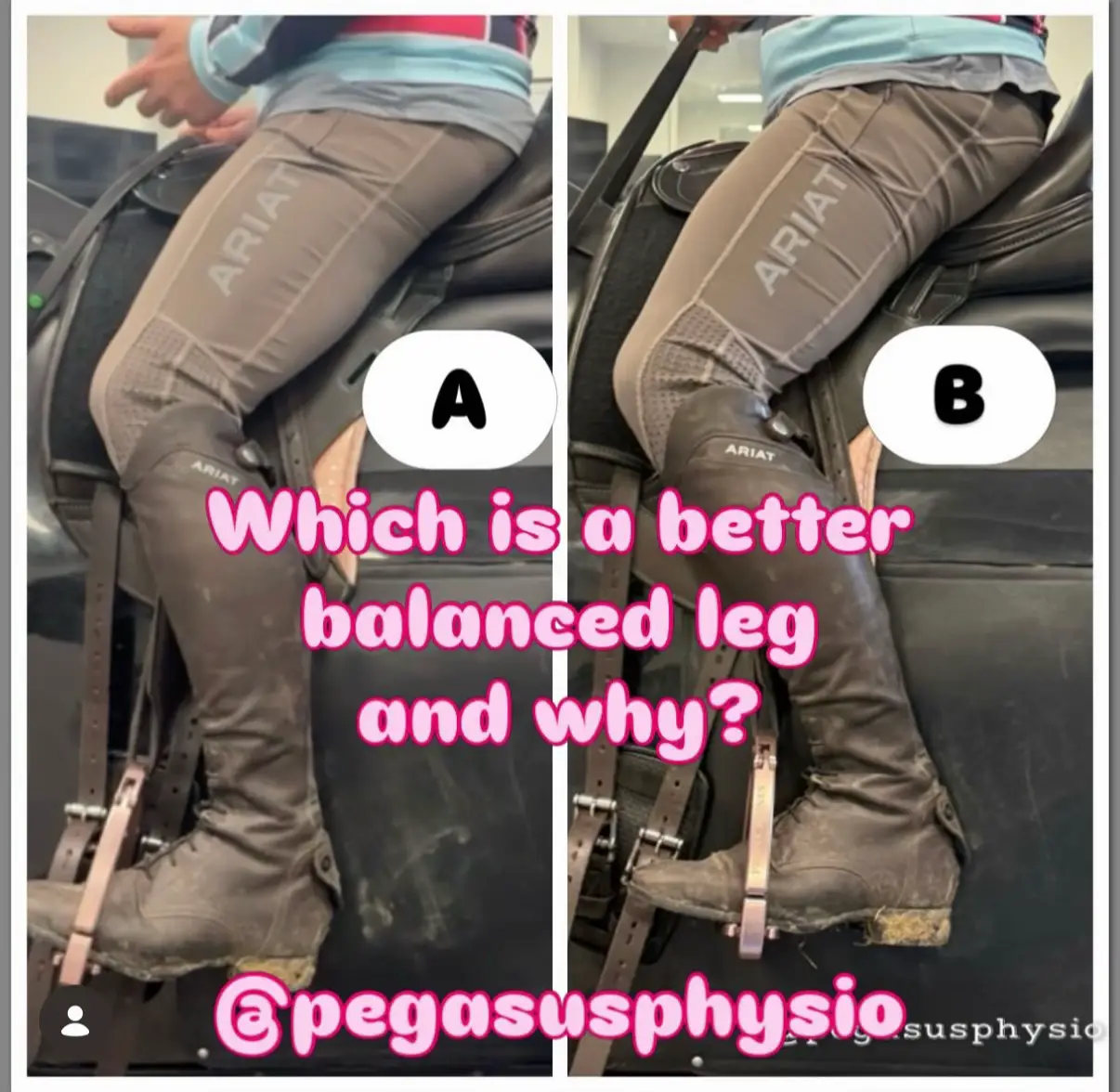
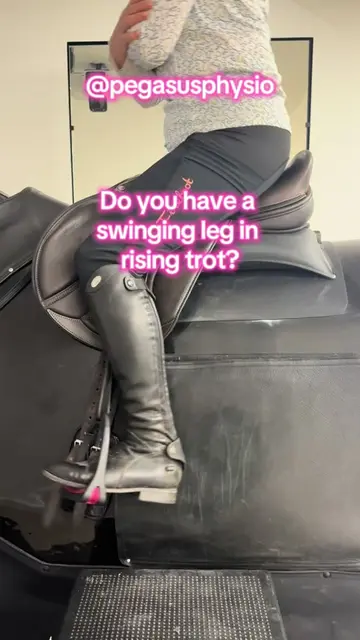
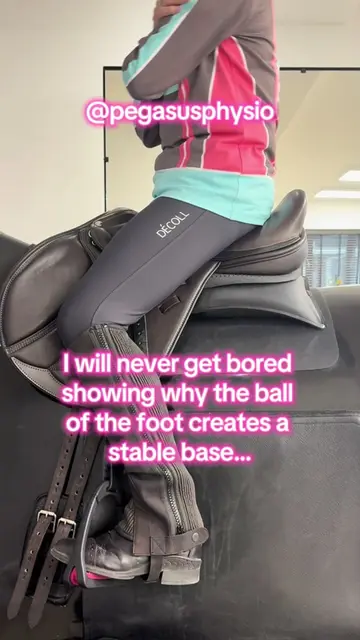
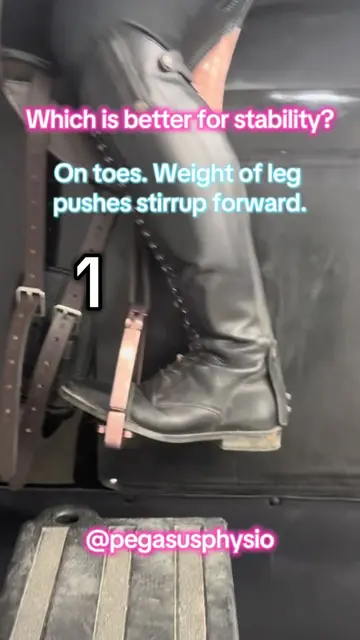
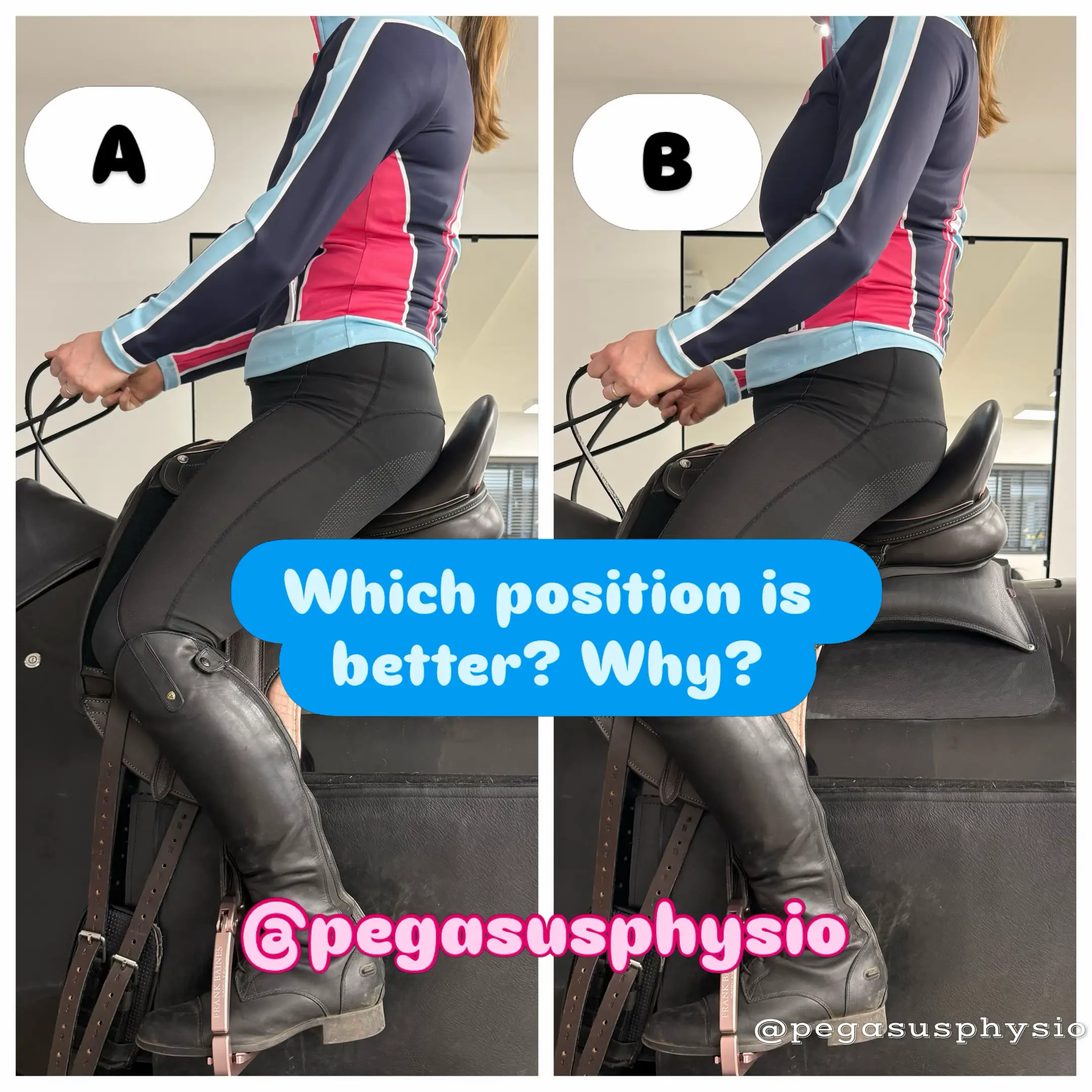
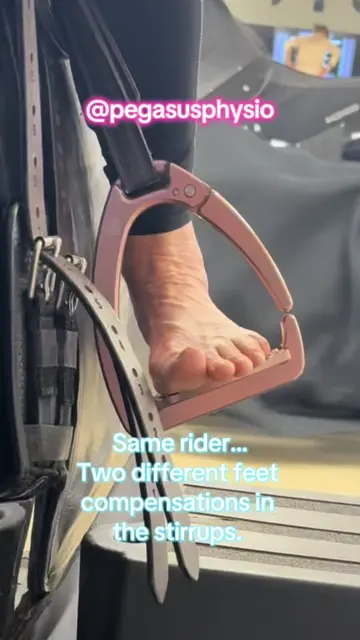
👉 Before you correct what a rider looks like, understand how they’re balancing. When assessing rider position, one of the first things I look at is their bases of support - how they’re supporting and balancing their body through the saddle and stirrups. In this example, the rider’s pelvis is relatively neutral, but they’re sitting too far towards the back of the saddle, with the stirrups under their toes rather than the balls of their feet. Both influence weight distribution and balance, so I’d address these first before reassessing the upper body. Do the shoulders now sit more naturally over the hips? Can the rider maintain their lower leg position without it swinging forwards? Only then would I investigate trunk stability and arm position in more detail. The base of support is my starting point for assessment, but that doesn’t mean it’s always the cause of the problem. Sometimes poor trunk position is a compensation for an ineffective base of support. Other times, limitations in strength, mobility or neuromuscular control need addressing - sometimes off the horse first. Simply telling someone to sit up, pull their shoulders back or engage their core might change what their position looks like, without improving their ability to maintain it. Rider position isn’t about correcting individual body parts until they look right. It’s about understanding how the whole body works together to maintain balance. Want help with your understanding, body awareness or physical ability in the saddle? 🔗 Be a Better Rider