Loading video…
Sound

original sound - paddyxufc
paddyxufc · Original audio
0:00–:––
- Videos using it
- 5
- Creators
- 4
- Views on those videos
- 951.5K
The video uses a clear, relatable visual comparison to solve a common pain point for riders, establishing the creator's authority while naturally showcasing their branded clothing.
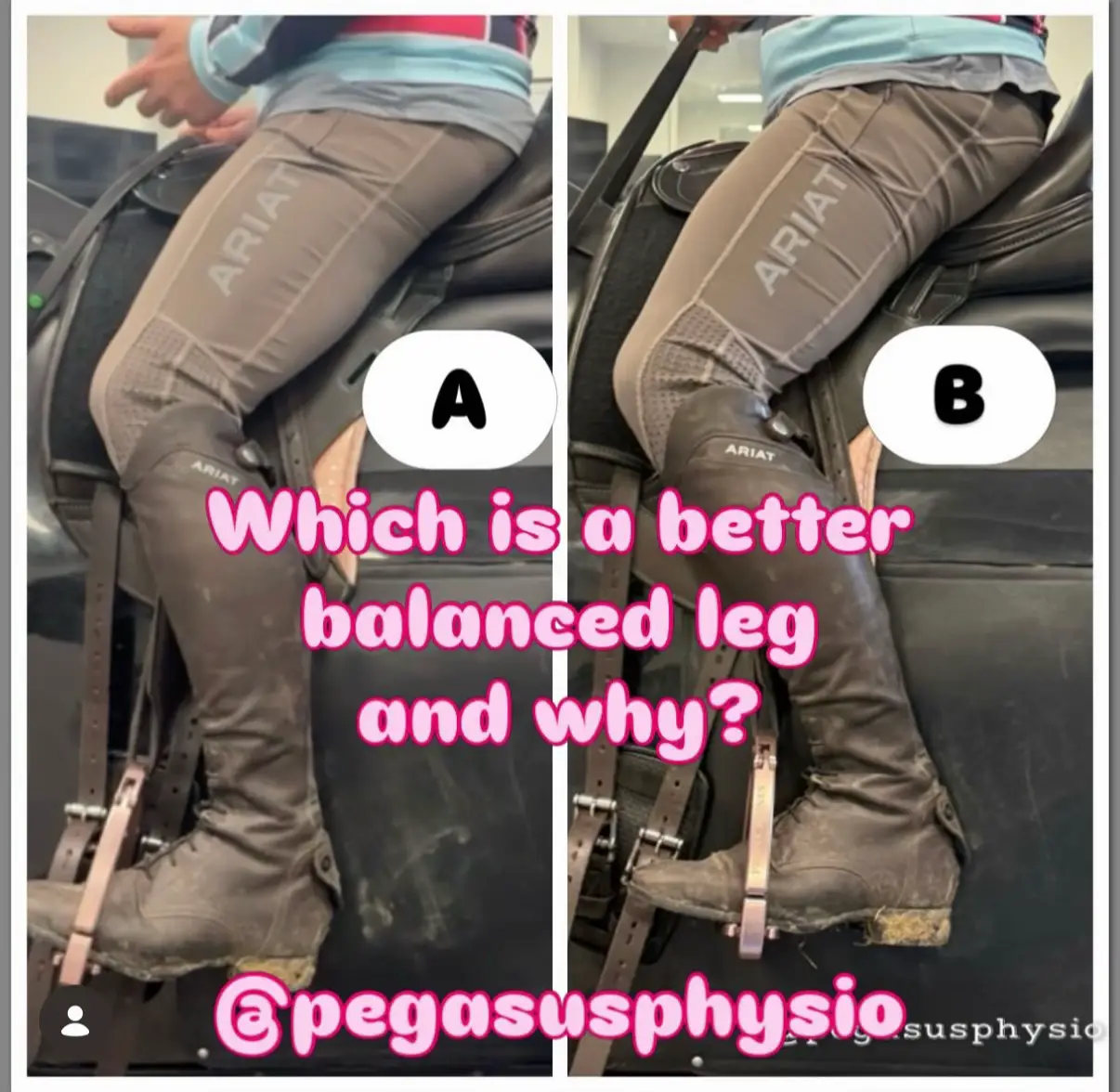
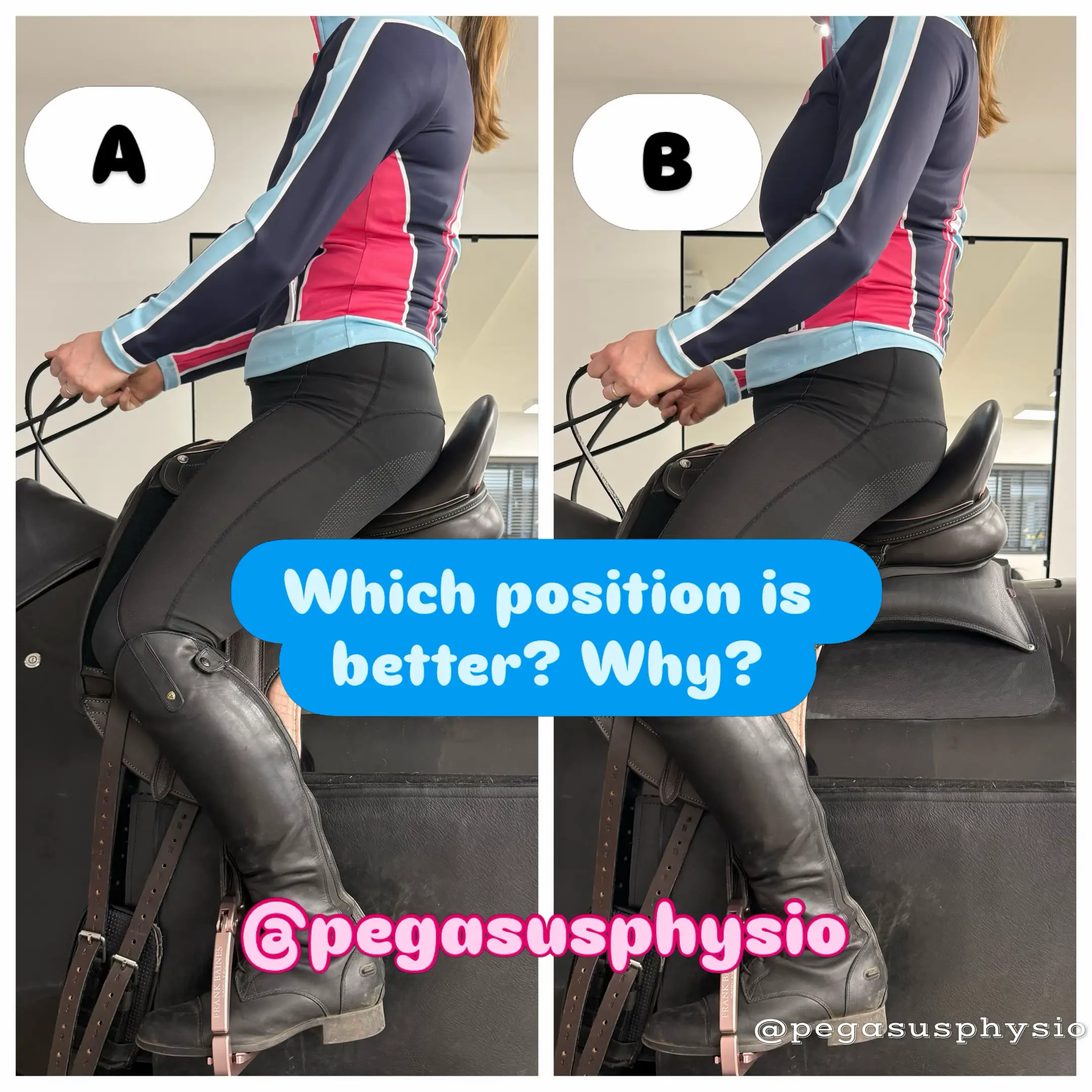
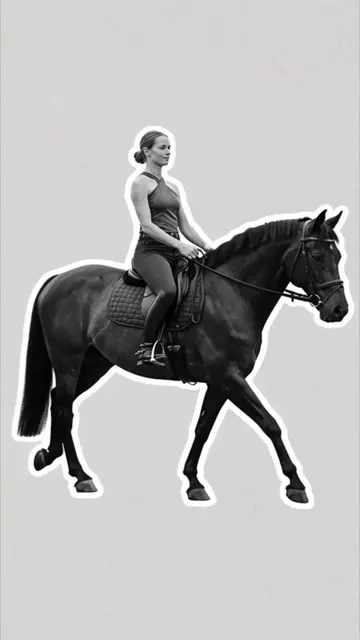
A physiotherapist compares two different riding postures on a simulator to demonstrate the importance of core control. The video uses the creator's own branded biomechanics clothing to illustrate the movement.
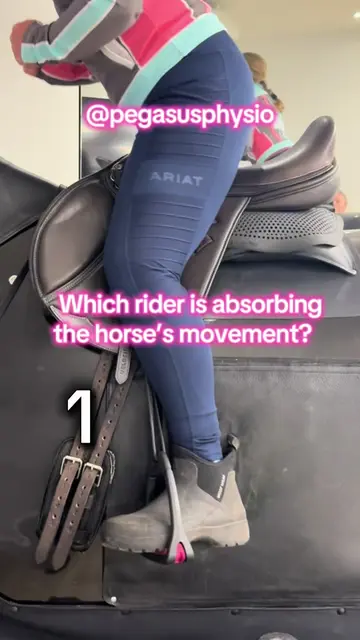
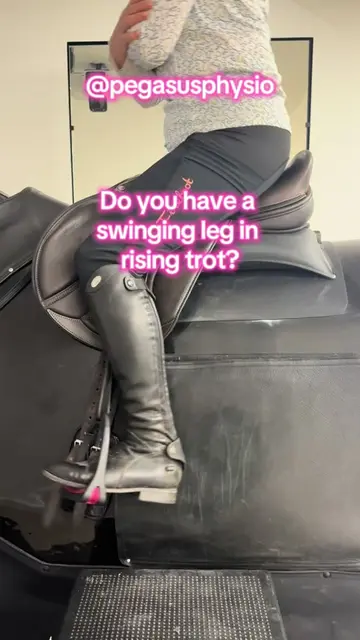
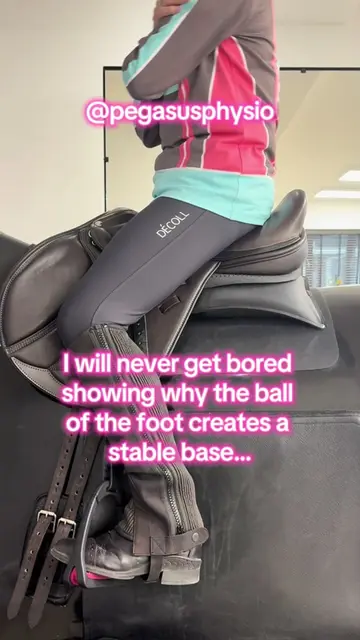
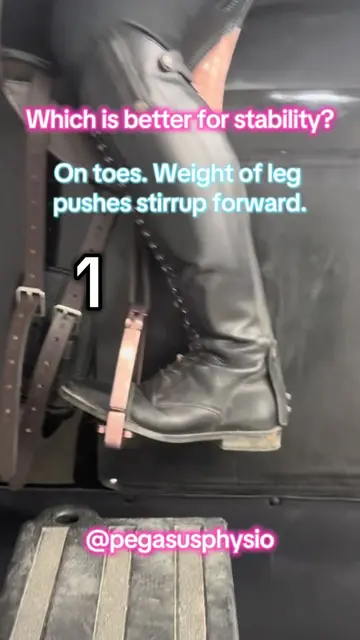
🏋️♀️You learn how to jump and land before you get on a trampoline. Learning how to rise on a simulator follows the same principle. Yes, a real horse’s movement helps initiate the rise in trot, but you still need to control how you rise and how you come back down. If you can’t control the movement when you’re creating it yourself, how are you going to control it when a big-moving horse is sending you up and forwards, stride after stride? In 1, the rider moves away from a neutral pelvis and spine and almost throws herself up out of the saddle. Watch how that momentum makes it harder to control the way down. In 2, she transfers her weight from seat to feet as her hips open. Think of the thigh moving like a windscreen wiper. She can control both the rise and the return to the saddle. The simulator still gives us the timing of the trot, so she’s practising within the rhythm of the gait. The difference is how the rise starts. Here, she has to initiate the lift herself, which gives us a chance to work on how she controls the movement before we add the upward and forward push she’d get from the horse. When I add that diagonal push from behind, she has to control the movement as she’s being lifted. Her hip flexors can work eccentrically to check how far the hips open, while her abdominals help control the relationship between her rib cage and pelvis. With that lift, she can stay more upright as her hips open and her pelvis and trunk travel up and forwards together. We’re deliberately working through to full hip extension so she can understand the movement and practise controlling it through her full range. On a horse, how far she rises will depend on the movement she receives. This rider is hypermobile and has plenty of range available. Controlling it is the part she sometimes finds difficult, especially on the bigger-moving horses she’s been struggling with. I see so many riders being flung out of the saddle in trot after being told to “let the horse move you”. That’s only part of the picture. Let the horse start the rise. You still have to manage how far you go and how you come back down. Want help with your rising trot? Book in for a Rider Physio session. 🔗BeaBetterRider
Which has better control of their body?
Comparison of two riding postures
Analogy to trampoline training
Explanation of rider biomechanics
Call to focus on controlled movement
Pegasus Physio (a) acts: the creator uses the brand's name and handle to present professional physiotherapy advice and rider biomechanics analysis. Removing the name would change the source and authority of the advice. SymmFit (a) acts: the rider is wearing clothing branded with the SymmFit logo, which is the creator's own line of rider biomechanics clothing. The video serves as a demonstration of the clothing's function in a riding context.
All time.
Promotes 1 product. Create free account to see more.
Outliers and viral hits: their videos on Overshot, all time.